Andrew Rapp
Basic Info (Location)
The Chinook Indians are located in the Pacific Northwest. More specifically they resided along the Columbia River and the Pacific Coast on the border of modern day Washington and Oregon (PBS). There were about 30 different villages in the Chinook territory which spanned across their territory (Pritzker, 236). For housing the Chinooks created large rectangular cedar plank longhouses averaging a length of 30 feet. A winter village would consist of 20 of these longhouses (Pritzker, 236).
Disputes with other Tribes
The Chinook villages would have disputes to determine relative rankings (Pritzker, 237) The Chinooks did have a few disputes with bordering tribes which were settled by the giving of slaves, payment, and even execution (Pritzker, 237).
Society, Culture, Religion
The government of each village was lead by a hereditary chief (Pritzker, 236). A chief could create alliances with other villages and gain a larger area of territory (Pritzker, 236). The Orator assisted the chief in speaking the lower levels of society (Pritzker, 236). The Chinook society had three tiers: Chiefs, Commoners, and Slaves (Pritzker, 236). Slaves were treated as property and were occasionally killed to accompany their masters in the afterlife (Pritzker, 236). Conserning religion men and some women would seek their guardian spirit powers on lone nighttime quests (Pritzker, 236). Chinooks believed in an afterlife in which they would live with their ancestors (Pritzker, 236). The men had the duty of hunting while females took care of the house. Women were tied more into the trade amongst local tribes and after contact they gained more power among the tribe as they controlled the ever growing trade for their villages (Pritzker, 237).
Trade
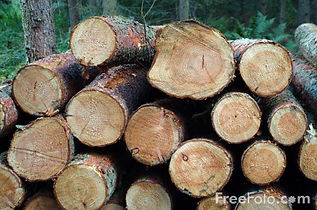
The Chinook Indians are best known for dominating trade due to their location at the delta of the Columbia River; their trade spanned as far as the Great Plains and China (Pritzker, 237). In testimony of their supreme trade they even had a commonly spoken trade language that was commonly understood among bordering tribes (Pritzker, 237). Common trade items were lumber, furs in particular elk-hides, and carved wooden boxes (Pritzker, 237). Since the Chinooks were so involved with non-native trade they were able to supply local tribes with guns, powder, and steel tools which added to their wealth (Pritzker, 237). After contact with non-natives the tribes lumbered a lot of the area surrounding their villages which altered the environment around the Columbia River (Pritzker, 237).
European Relations
The relations between the Chinooks and Europeans were relatively peaceful. Lewis and Clark visited the tribe and spent a winter in the area (PBS). The Chinook chiefs treated Lewis and Clark well bringing them gifts and supplies and the expedition did likewise (PBS). The only tension between the two groups was when a few Chinook Indians thieved supplies from the expedition but even these tensions were resolved without gun fire (PBS). This peaceful relation contributes to the strength of the Chinook nation's trade.
Other Interesting Facts
In 1780 the Chinookan tribe was numbered around 22,000 people but by 1983 there were estimated only 2,000 (Pritzker, 235). The depletion of Indians was a combination of two facors: one being the European Born diseases like smallpox that wiped out most Indians in the New World and the other factor was alcohol-related diseases which together wiped out the once powerful nation (Pritzker, 235). The Chinook Indians' favorite game was lacrosse (Pritzker, 236). The Chinook Indians created canoes with an occupacy of up to thirty people and there were five different types of boats they designed (Pritzker, 237). The diet of Chinook included all five salmon species and many other fish that lived along the Columbia River (Pritzker, 237).
Bibiliography
PBS. "Chinook Indians." Public Broadcasting Station. N.p.: n.p., n.d. N. pag.
PBS. Web. 9 Sept. 2015. <http://www.pbs.org/lewisandclark/native/
chi.html>.
Pritzker, Barry M. Native Americans. Denver, CO: Letra Libre, 1998. Print.
Pictures
Background Columbia River http://www.naturetrust.bc.ca/blog/wp-content/uploads/2013/02/Columbia-River-cropped-reduced.jpg
Chinook Indian http://www.old-picture.com/indians/pictures/Chinook-Indian-Woman.jpg
Chinook Territory http://en.academic.ru/pictures/enwiki/67/Chinook.png
Chinook Indian Symbol http://media-cache-ec0.pinimg.com/736x/a7/51/a8/a751a85b90bd124a4da907b5dc69fca6.jpg
Chinook Longhouse http://ridgefieldfriends.org/wp-content/uploads/2012/10/plankhousephoto-thumb.jpg
Lumber http://s3.freefoto.com/images/13/59/13_59_8_web.jpg
Elk Hide http://www.promiselandranch.net/Images%20and%20Buttons/Tanned20.jpg
Chinook Salmon https://upload.wikimedia.org/wikipedia/commons/thumb/d/d8/Chinook_Salmon_Adult_Male.jpg/1280px-Chinook_Salmon_Adult_Male.jpg
Chinook Canoe http://farm2.staticflickr.com/1307/790857367_16c89fc419_z.jpg?zz=1
Chinook Indians